




What is a pre-purchase building inspection?
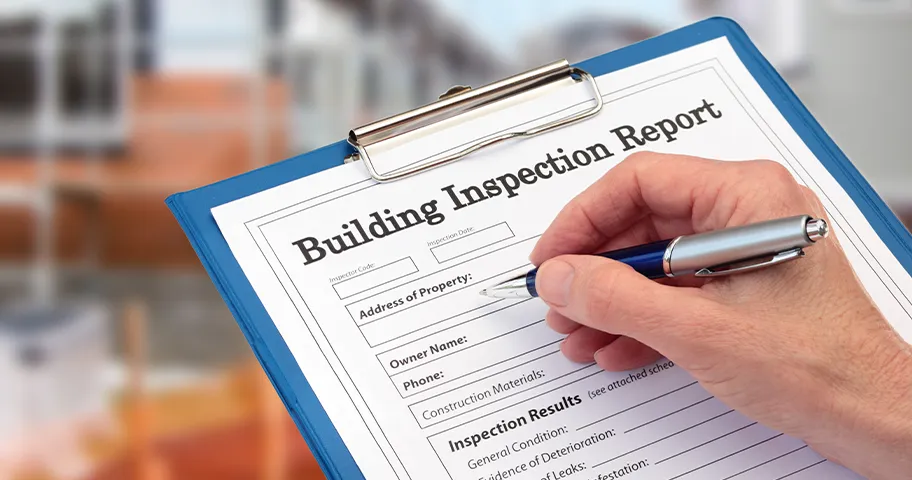
A pre-purchase building inspection, or property inspection, is an inspection of a property that is undertaken prior to its purchase. The aim of the inspection is to identify any potential structural issues with the home.
For example, while a house may look structurally sound and in good condition, a building inspection could identify issues with the foundations or roof, or hidden water/pest damage.
You decision to purchase a home could be influenced by the results of its building report. For example, if the report reveals a property needs thousands of dollars of remedial work, you could factor this cost into your price negotiations. Or, you could decide not to pursue the sale.
Of course, if the report shows the house is in excellent condition, it gives peace of mind going forward with the purchase.
Is a pre-purchase inspection the same as a LIM report?
No, a LIM report is separate from a pre-purchase building inspection.
A council's LIM report is a record of information on a property. It includes standard information, such as rates and building consents. But it also contains details about risks such as erosion, contamination, drainage, landslips and flooding.
A LIM report can also alert you to illegal construction work on a property, or the fact that it might be a leaky home.
While property vendors often have LIM reports for potential purchases to study, if the LIM is at all out of date, it's worth getting your hands on an up-to-date copy. You can order a LIM through the local council or through a lawyer.
What does a pre-purchase building inspection cover?
What is included in the inspection will depend on who carries it out, and what level of inspection you opt for. However, commonly, a full pre-purchase inspection will look for issues such as
- Borer
- Damp
- Dodgy wiring
- Drainage issues
- Faulty pipes
- Rot
- Structural damage
During the inspection, you can expect your provider to inspect:
- Exterior: cadding systems, doors and timber finishings, foundations, weathertightness, windows
- Interior: ceilings, floors, services, walls
- Outbuildings: garages, glasshouses, sheds and sleepouts
- Outside: clothes line, driveway, fences, paths, retaining walls
- Roof: chimney, flashings, gutters, roofing materials
- Roof space: insulation, roof structure, roof lining
- Services: drainage, electrical, plumbing and other specialist services
- Under-floor area: foundations, ground moisture, insulation, piles, timber framing, ventilation
How much does an inspection cost?
The cost of a building inspection depends on the size and style of a property. Prices start from around $550, for a simple one- or two-bedroom home. But for a larger property, you can expect to pay hundreds of dollars more.
Who can undertake a building inspection?
Anybody can set up as a building inspector, so it's important to employ a qualified building inspector who carries out their work in accordance with the New Zealand property inspection standard.
Importantly, you should always opt for an inspector who has professional indemnity insurance. This means that if an issue arises with the home after you've bought it that should have been identified in the report, you can potentially claim compensation.
While your tradie friend can give his opinion, the professional you use for your home inspection should be a member of an organisation such as the NZ Institute of Building Inspectors, the NZ Institute of Building Surveyors, or the Institution of Professional Engineers New Zealand.
Ensure you choose the inspector
Some real estate agents may suggest an inspector, or provide a building inspection report that was carried out by an inspector of their choosing. However, to ensure a fair and trustworthy inspection, you should choose your own suitably qualified inspector to carry out the report.
While most sellers are trustworthy, there have been reports of estate agents who have employed their own favoured inspectors to provide soft vendor reports on behalf of sellers.
These reports may not be up to standard, or may brush over issues that are more serious than you are led to believe.
Do I need a pre-purchase building inspection?
Yes, you should always get a pre-purchase building inspection before purchasing a home. A house is a big financial commitment and one that typically requires your life savings and a hefty mortgage. If you're throwing all your money and sinking yourself into debt for a property, you need to know its a solid investment.
Think how you'd feel if you skimped on an inspection to save a few hundred dollars, only to face repair bills of thousands of dollars to fix defects that would have shown up on a building report?
And even if there are no major structural issues, knowledge of any possible problems can give you an upper hand during price negotiations.
When do I need to get the report done?
If you're buying at auction, you need to get the report done prior to bidding. As, typically, auction sales are unconditional.
If you're buying a house through other methods, you can make an offer that is conditional on a satisfactory building inspection. As part of the process, you may also be able to add a clause that allows you to negotiate the sale based on the inspection results. For example, a reduced price, or repairs that need to be carried out before the sale goes through.
I'm worried about missing out, should I skip the pre-purchase inspection?
While it can be tempting to skip a pre-purchase building inspection, don't. And if you are pressured by the vendor or their agent to bypass one, treat it as a red flag. After all, being advised to not inspect the thing you're buying is hardly a good sign.
At the very least, if you feel going conditional will impact your offer being accepted, you should get an inspection done prior to making the offer. Because if you bypass an inspection, and the property has significant issues, you will have little option but to pay for the repairs.