













canstar
canstar
PromotedAA Insurance
If written off before 12 months old
  • Outstanding value meets claims satisfaction. AA Insurance Comprehensive Car Insurance is recognised by Canstar for outstanding value and car insurance claims satisfaction.
PromotedState
If written off before 12 months old
  • Buy a new State Comprehensive car insurance policy online today and get a $100 digital Visa card. Offer ends 30/09/26. Visit state.co.nz for T&Cs
PromotedCove
  • Cove is offering all Canstar visitors one month free on their new car insurance policy, worth up to $100. Visit their website to get a quick quote. T&Cs Apply.
PromotedAMI Insurance NZ
If written off before 12 months old
  • AMI is on your side with a $100 digital Visa Card when you take out a new Comprehensive Car Insurance policy online before 30/09/26. Visit ami.co.nz for full T&Cs.
PromotedMighty Ape Insurance
Not Rated
  • Comprehensive cover + first month free ($100 cap) + annual/multi-policy discounts. Visit mightyapeinsurance.co.nz for Ts&Cs.
PromotedTower
If written off before 24 months old
  • Switch to Tower and save $100 on new Comprehensive car insurance with promo code EASYSAVE. Offer ends 30/01/27. See Tower website for Ts&Cs and eligibility criteria.
AA Insurance
If written off before 12 months old
AMI Insurance NZ
If written off before 12 months old
State
If written off before 12 months old
Cove
Tower
If written off before 24 months old
TradeMe
AMP NZ
If written off before 12 months old
Westpac NZ
If written off before 24 months old
Mighty Ape Insurance
Not Rated

Showing 9 of 15 results

To see more results adjust the filters above

  • Included
  • Not Included
  • Optional
  • Not applicable
  • Canstar Star Rating

Unsure of a term in the above table?

The initial results in the table above are sorted by Star Rating (High-Low), then Provider Name (Alphabetical). Additional filters may have been applied, see top of table for details.

Why compare car insurance with Canstar?

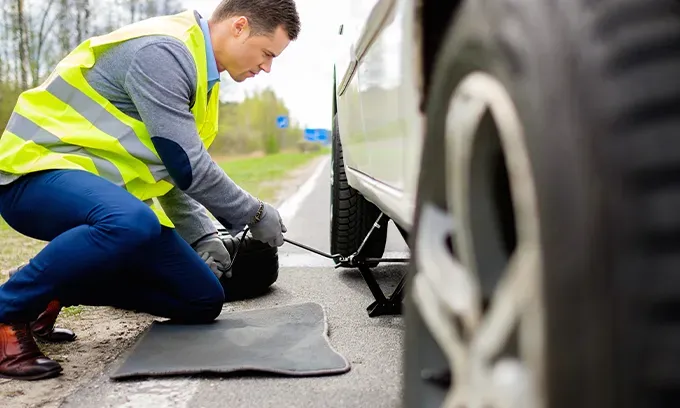
Source: Garun Studios/Shutterstock.com

Car Insurer of the Year

Our research team has done the hard work, comparing costs and features to help Kiwi travellers find providers that offer great value.

2026 Insurer of the Year Award
award logo
Car Insurance
View award details

Outstanding Value Award Winners

2026 Outstanding Value Award
award logo
Car Insurance
2026 Outstanding Value Award
award logo
Car Insurance
2026 Outstanding Value Award
award logo
Car Insurance
View award details

Most Satisfied Customers Award Winners

2026 Most Satisfied Customers Award
award logo
Seniors Car & Home Insurance
2026 Most Satisfied Customers Award
award logo
Car Insurance
2026 Most Satisfied Customers Award
award logo
Roadside Assistance
View award details

Car Services Award Winners

Guide to car insurance

Three expert car insurance buying tips

Three simple rules can help you save money when purchasing car insurance, without having to compromise on your level of cover:

Don't set and forget: avoid the temptation to auto-renew

Insurance companies often don't offer their best deals to their existing customers, hoping that they'll just renew without much thought.

So when it’s time to renew your car insurance, don't just accept your insurance company's automatic renewal offer without comparing prices across other providers.

You might find a better deal or policy that better matches your needs. And don't be afraid to ask you insurer to match any competitor offer. Ultimately, they won't want to lose your custom.

Don’t get sucked in by offers and bundling deals

While sign-on offers and deals can seem appealing, they shouldn't be your sole focus when shopping for car insurance. These discounts are often used as marketing tools to make a policy seem more attractive, and the overall price of a policy and the coverage it offers are what truly matter.

ALWAYS read the fine print of the policy's Product Disclosure Statement (PDS)

Before committing to any car insurance policy, take time to thoroughly read and understand its terms and conditions. For while it's important to ensure the policy provides the cover you require – such as comprehensive coverage for accidents, fire and theft – it's also important to understand the policy's exclusions – what it doesn't cover – so you're not left underinsured and out of pocket in the event of a claim.


What is car insurance?

Car insurance gives drivers some protection from financial loss if their car is involved in an accident, is stolen, is damaged in a weather event or another risk included on your policy. If your car is damaged or written off, or you damage someone else’s vehicle in an accident, the cost to you could be significant, and a car insurance policy is designed to cover the majority of that cost.

Comprehensive car insurance is the highest level of car insurance coverage. It provides a level of financial cover for damage to other people’s cars and property in an accident, damage to your own vehicle caused by fire or theft, and accidental damage to your own vehicle, regardless of who caused the damage. It may also provide additional types of cover, such as damage to your car from storms or vandalism, depending on the insurer and policy you choose.

A comprehensive car insurance policy may also let you choose between market value and agreed value for your policy, meaning you could get a say in how much you’ll be paid in the event that your car is stolen or written off, depending on the policy. However, your choice may affect your premiums.

Choosing the policy that’s right for you could depend in part on what you can comfortably afford, so it may be worth considering the type of cover that suits your needs and your budget. For example, would you prefer the high level cover generally offered by a comprehensive policy, or would a lower level of cover be enough?


What does car insurance cover?

Car insurance covers policyholders for damage caused or costs incurred by unforeseen accidents or events involving the car they insure. The exact risks that are covered will depend on the level of cover that you have. For example, third party cover generally only covers costs if you damage someone else’s property in an accident, whereas comprehensive car insurance provides protection for a more extensive range of risks. Depending on the insurer and policy you choose, comprehensive car insurance could cover:

  • Accidental damage
  • Theft/vandalism
  • Storm/flood
  • Fire damage
  • Earthquake
  • Towing costs
  • Transport from an accident
  • Hire car costs following theft
  • Hire car costs following a no-fault accident

What types of car insurance are available in New Zealand?

Although policies offered by different car insurers will vary, the types of car insurance can be boiled down to three levels of cover.

Third party insurance

The most basic type of insurance, it covers all or part of your legal liability if you harm another person or damage their property. You will not be covered for damage to your own vehicle.

Third party, fire & theft cover

This is the same kind of insurance as standard third party, with additional cover for fire damage and theft. Some insurance companies will have policies that also cover damage caused by natural disasters.

Comprehensive insurance

This is the highest level of car insurance, covering you for almost anything that could happen on the road, or by the side of it. If you damage yours or another person’s property, you won’t be required to pay the full amount for repairs – only the pre-agreed excess amount.


How do I compare car insurance quotes online?

Canstar’s Star Ratings are one factor you could use to help you compare comprehensive car insurance policies before getting a quote online. Our Ratings use a sophisticated and unique methodology that compares both price and features across products on our database. You can compare policies based on their Star Ratings using our above tables.

In addition, these are some of the other factors you may want to take into account when comparing car insurance policies:

  • The premiums being charged
  • The level of cover you are getting
  • Whether the risks most relevant to you are covered by the policy (e.g. if your area is prone to flooding, you may want a car insurance policy that covers this)
  • The level of service the insurer offers (e.g. its claims service)
  • Whether the insurer allows you to pay monthly at no extra cost
  • Any discounts offered by the insurer
  • Are there any additional inclusions, either complimentary or at at any extra cost (e.g. roadside assistance)

What's the best car insurance for me?

The best car insurance policy for you will depend on your circumstances and the level of cover you are looking for. In assessing policies, you may like to ask yourself questions such as:

  • Are you looking to keep premium costs down or are you willing to pay more for a higher degree of cover?
  • How often do you think you’ll need to claim on the policy? Opting for a higher car insurance excess could save you some money on premiums, in exchange for leaving you with higher out-of-pocket costs should you have to make a claim.
  • How often do you drive your car? If you rely heavily on your car, you might want to prioritise a higher level of cover so you won’t be off the road for too long if your car is damaged.
  • Are there any particular risks that you want cover for? For example, is your area prone to flooding or car thefts?
  • Would it be better for your budget to pay your premiums monthly or annually, and would you be prepared to pay more overall for the convenience of monthly payments?
  • If you are looking for comprehensive cover, how have Canstar’s expert researchers rated the policies you are considering? This can give you an idea of which policies offer the best value for money overall, based on the factors considered.

Looking for the cheapest car insurance?

When you’re shopping around for cover, you may simply want to get the cheapest car insurance policy you can find. It can be important to also keep in mind the level of protection you’re getting for your money. For example, with optional forms of cover, third party property may be the cheapest car insurance in most situations, but it won’t cover you if your car is damaged in an accident or stolen.

Even if you decide on a higher level of cover, like comprehensive, there may be ways to keep the cost down. Some insurers offer discounts if you pay your premium annually or take out the policy online as opposed to over the phone, or you could opt to pay a higher excess if you need to make a claim. It can also help to shop around and compare quotes online from a number of insurers. These techniques may help you get value for your money, while still getting a higher level of cover than the cheapest car insurance might offer.


What's happening in car insurance news and deals in September 2026?

Car insurance news

  • There's a new player in the NZ car insurance market, MightyApe Car Insurance. The online retailer, which is part of the Australian Kogan.com group, has partnered with Cove to deliver car insurance through its website.
  • Tower has removed its multi-policy discounts. New customers have stopped receiving the discounts, and they won't be offered to existing customers renewing their policies. The move brings Tower in line with other major car insurers, including AA Insurance, AMI and State, which no longer provide multi-policy discounts.

Car insurance deals


Compare car insurance options to suit your needs


Best-selling cars in New Zealand

Below are lists of the best-selling cars in New Zealand for 2025, and so far this year, to the end of July. For the full details of the latest car sales, check out our story about the country's top-selling cars.

Top Selling Cars 2025

  1. Toyota RAV4: 11,295
  2. Mitsubishi ASX: 4970
  3. Mitsubishi Outlander: 4309
  4. Ford Everest: 3323
  5. Kia Seltos: 3189
  6. Toyota Yaris Cross: 2018
  7. MG ZS: 1971
  8. Toyota Corolla: 1953
  9. Hyundai Tucson: 1841
  10. Suzuki Swift: 1825

Top Selling Cars 2026

  1. Toyota RAV4: 3917
  2. Tesla Model Y: 2311
  3. Mitsubishi ASX: 1987
  4. Toyota Corolla Cross: 1796
  5. Mitsubishi Outlander: 1724
  6. Ford Everest: 1646
  7. Kia Sportage: 1599
  8. GWM Haval H6: 1526
  9. Hyundai Tucson: 1382
  10. MG ZS: 1309

Source: NZTA – 2026 sales to 31/07/26

Frequently Asked Questions about Car Insurance

Car insurance gives drivers some protection from financial loss if their car is involved in an accident, is stolen, is damaged in a weather event or another risk included on your policy. If your car is damaged or written off, or you damage someone else’s vehicle in an accident, the cost to you could be significant, and a car insurance policy is designed to cover the majority of that cost.

Comprehensive car insurance is the highest level of car insurance coverage. It provides a level of financial cover for damage to other people’s cars and property in an accident, damage to your own vehicle caused by fire or theft, and accidental damage to your own vehicle, regardless of who caused the damage. It may also provide additional types of cover, such as damage to your car from storms or vandalism, depending on the insurer and policy you choose.

A comprehensive car insurance policy may also let you choose between market value and agreed value for your policy, meaning you could get a say in how much you’ll be paid in the event that your car is stolen or written off, depending on the policy. However, your choice may affect your premiums.

Choosing the policy that’s right for you could depend in part on what you can comfortably afford, so it may be worth considering the type of cover that suits your needs and your budget. For example, would you prefer the high level cover generally offered by a comprehensive policy, or would a lower level of cover be enough?

Car insurance covers policyholders for damage caused or costs incurred by unforeseen accidents or events involving the car they insure. The exact risks that are covered will depend on the level of cover that you have. For example, third party cover generally only covers costs if you damage someone else’s property in an accident, whereas comprehensive car insurance provides protection for a more extensive range of risks. Depending on the insurer and policy you choose, comprehensive car insurance could cover:

  • Accidental damage
  • Theft/vandalism
  • Storm/flood
  • Fire damage
  • Earthquake
  • Towing costs
  • Transport from an accident
  • Hire car costs following theft
  • Hire car costs following a no-fault accident

Canstar’s Star Ratings are one factor you could use to help you compare comprehensive car insurance policies before getting a quote online. Our Ratings use a sophisticated and unique methodology that compares both price and features across products on our database. You can compare policies based on their Star Ratings using our above tables.

In addition, these are some of the other factors you may want to take into account when comparing car insurance policies:

  • The premiums being charged
  • The level of cover you are getting
  • Whether the risks most relevant to you are covered by the policy (e.g. if your area is prone to flooding, you may want a car insurance policy that covers this)
  • The level of service the insurer offers (e.g. its claims service)
  • Whether the insurer allows you to pay monthly at no extra cost
  • Any discounts offered by the insurer
  • Are there any additional inclusions, either complimentary or at at any extra cost (e.g. roadside assistance)

 The best car insurance policy for you will depend on your circumstances and the level of cover you are looking for. In assessing policies, you may like to ask yourself questions such as:

  • Are you looking to keep premium costs down or are you willing to pay more for a higher degree of cover?
  • How often do you think you’ll need to claim on the policy? Opting for a higher car insurance excess could save you some money on premiums, in exchange for leaving you with higher out-of-pocket costs should you have to make a claim.
  • How often do you drive your car? If you rely heavily on your car, you might want to prioritise a higher level of cover so you won’t be off the road for too long if your car is damaged.
  • Are there any particular risks that you want cover for? For example, is your area prone to flooding or car thefts?
  • Would it be better for your budget to pay your premiums monthly or annually, and would you be prepared to pay more overall for the convenience of monthly payments?
  • If you are looking for comprehensive cover, how have Canstar’s expert researchers rated the policies you are considering? This can give you an idea of which policies offer the best value for money overall, based on the factors considered.

Looking for the cheapest car insurance?

When you’re shopping around for cover, you may simply want to get the cheapest car insurance policy you can find. It can be important to also keep in mind the level of protection you’re getting for your money. For example, with optional forms of cover, third party property may be the cheapest car insurance in most situations, but it won’t cover you if your car is damaged in an accident or stolen.

Even if you decide on a higher level of cover, like comprehensive, there may be ways to keep the cost down. Some insurers offer discounts if you pay your premium annually or take out the policy online as opposed to over the phone, or you could opt to pay a higher excess if you need to make a claim. It can also help to shop around and compare quotes online from a number of insurers. These techniques may help you get value for your money, while still getting a higher level of cover than the cheapest car insurance might offer.

Comprehensive car insurance provides the highest levels of cover but all policies have exceptions. Common exemptions that can void cover include:

  • Restricted drivers: for example, an accident when the driver of the insured vehicle doesn't have a licence, or is otherwise not covered by the policy (e.g. some insurers charge a lower premium for a vehicle not driven by anyone under 25 years old, meaning cover isn't extended to young drivers)
  • Driving under the influence of alcohol or drugs
  • Making structural changes to your vehicle without notifying your insurer
  • Using your car for commercial reasons (unless you have disclosed this to your insurer and it has agreed to cover you for this kind of use)
  • Driving off-road, for example on the beach
  • Overloading your car with too many passengers or too large a load
  • Mechanical faults and gradual wear and tear

An agreed value is when the amount a vehicle is insured for is fixed by agreement between the insurer and the policyholder. If the car is then written-off, the owner will receive the agreed sum as compensation.

Agreed sum policies tend to be more expensive than market value, as most cars are constantly depreciating in price, which can be matched by a reduction in premiums.

Market value car insurance is when a vehicle is insured for its value on the second-hand car market, or the cost to replace it with a similar vehicle, at the time of a claim.

Because most cars' values are constantly depreciating, market value policies tend to be cheaper than agreed value ones.

A no-claims bonus is a discount on premiums that some insurers offer drivers who haven’t made any recent car insurance claims.

Some providers also offer add-on no-claims bonus protection insurance, which lets a policy holder retain their no-claims bonus after one claim in any period of cover, under certain conditions.

When you sign up for a policy, your insurer will ask you for the names and approximate ages of the regular drivers of your car. These people are your nominated drivers.

If somebody other than a nominated driver is behind the wheel at the time of an accident, you could be required to pay an additional excess, or your claim could even be denied.

Car insurance providers determine the cost of premiums based on their perceptions of risk: the higher the risk of a driver being involved in an accident, the higher their premiums.

For this reason younger drivers, who have less road experienced, are more expensive to insure than older ones.

However, older drivers over the age of 70 can also face higher premiums, due to factors such as declining health, vision and reaction times.

Normal comprehensive car insurance policies do not provide cover if you're using your vehicle for a commercial purpose.

Therefore, if you're contemplating joining the gig economy and becoming a rideshare or delivery driver, then you'll need to arrange cover specific to your needs.

Key Statistics

Actively seek out cheaper car insurance: 32%

Pay insurance annually for discount: 28%

Have reduced sum insured to reduce premiums: 17%

Type of cover

Comprehensive: 87%

Third party, fire & theft: 9%

Third party: 3%

Please note that these are a general explanation of the meaning of terms used in relation to car insurance. Your insurance provider may use different wording and you should read the terms and conditions of your insurance policy carefully to understand what you are and are not covered for. Refer to the product disclosure statement (PDS) from your provider.

Account-keeping fee / Ongoing fee: A monthly account-keeping fee that is charged by the lender to cover the administration cost of maintaining your policy. Alternatively, you may be charged an annual fee rather than an ongoing account-keeping fee.

Anti-lock braking system (ABS):  A safety system that stops the wheels from locking up when you brake, which decreases the risk of skidding. Also known as an anti-skid brake system.

Agreed value: The sum for which your car is insured, which has been fixed by agreement between the insurer and the car owner. The option for your sum insured is to insure your car for the market value (see ‘Market value’ below).

Comprehensive: The highest level of insurance policy, which covers your car for damage to other people, damage to the property of others, damage to your own car if it is damaged or lost because of fire or theft, and accidental damage to your own car, regardless of who caused the damage. Comprehensive car insurance also has a range of optional extras, including complimentary replacement vehicles while you can’t drive your own car, and no-excess windscreen replacement if you have a crash.

Excess: The excess is an amount that you pay towards the cost of your claim. Different excesses might apply to different types of claim, so you should check your policy for details. You may be able to pay a lower premium if you have a higher excess, but you need to be sure that you could afford to pay the excess unexpectedly in an emergency.

Exclusions: Anything that is not covered by your policy. Exclusions vary between insurance providers.

Forced entry: Illegal entry into your car which includes illegally using keys or picking locks. It does not include entering your car through an unlocked door, window, or sunroof.

Inclusions: Anything that is covered by your policy. When a particular event is listed as being included in your policy, the insurer will cover the whole expense or a listed percentage of the cost involved.

Legal liability cover: This is insurance that covers the cost to repair damage caused by your car to other people’s property. It will also cover your legal costs if they sue you over that damage. It's usually part of all car insurance policies.

Market value: What your car would be worth on the market, or it would cost to replace your vehicle with one of the same make, model, age, and condition as your vehicle was in before the loss or damage. This is one option for your sum insured; the other option is to insure your car for an agreed amount (see ‘Agreed value’ above).

No claim bonus: A discount on your premium for drivers who have not made any claims so far on their insurance. Some insurance providers have a ‘protected no claim bonus option’, where they will let you keep your no claim bonus after you make your first claim in any one period of insurance, under certain conditions.

Nominated driver: When you sign up for insurance, you must advise the insurer who will be listed on your policy as being allowed to drive your car (usually yourself and someone else). These people are the nominated drivers. Other people who drive your car but are not nominated drivers would be required to pay an additional excess if they were in an accident while driving your car.

Premium: The premium is the amount you pay for the cover your insurance policy provides, and may be paid once annually or more frequently (e.g. monthly, fortnightly). Your premium must be paid on time for your car to remain covered.

Third Party, Fire and Theft: This is an insurance policy that covers damage to the property of others, and some limited cover for your own car if it is damaged or lost because of fire or theft.

About our car insurance experts

As Canstar's Group Manager, Research & Ratings, Josh Sale is responsible for the methodology behind Canstar's diverse suite of Star Ratings and Awards and leads the teams that deliver them. With a background in economics and finance and a Master's in data science, Josh has spent the past ten years building ratings that help connect consumers with the right product for them.
Josh is passionate about helping consumers get hands-on with their finances. Josh has been interviewed by media outlets such as the Australian Financial Review, news.com.au and Money Magazine.
You can follow Josh on LinkedIn, and Canstar on X and Facebook.


Bruce Pitchers is Canstar's NZ Editor. An experienced finance reporter, he has three decades’ experience as a journalist and has worked for major media companies in Australia, the UK and NZ, including ACP, Are Media, Bauer Media Group, Fairfax, Pacific Magazines, News Corp and TVNZ. As a freelancer, he has worked for The Australian Financial Review, the NZ Financial Markets Authority and major banks and investment companies on both sides of the Tasman.
In his role at Canstar, he has been a regular commentator in the NZ media, including on the Driven, Stuff and One Roof websites, the NZ Herald, Radio NZ, and Newstalk ZB.
Away from Canstar, Bruce creates puzzles for magazines including Woman’s Day and New Idea. He is also the co-author of the murder-mystery puzzle book 5 Minute Murder.


Important Information

For those that love the detail

This advice is general and has not taken into account your objectives, financial situation or needs. Consider whether this advice is right for you.