What is a credit rating and credit report?
Your credit rating is a score that reflects the financial history listed on your credit report. This includes times you've missed bill payments, defaulted on a loan or even just applied for a loan or credit card.
Your credit rating is important if you want to apply for a mortgage, need a car loan or are applying for a credit card or personal loan, for example.
While having a bad credit rating is not necessarily a deal-breaker when it comes to obtaining credit, it's definitely something that a lender will take into consideration. And while it might not prevent you from securing a loan, it will mean you'll probably have to pay a higher rate of interest.
So before applying for a loan, it's a good idea to clean up your credit history, so lenders can see that you're in the best financial shape possible. A good credit score is another tick for increasing your odds of being approved for a loan.
How do lenders use my credit rating?
When you apply for credit or a loan, your credit score can affect the approval process, as it gives lenders an indication of your creditworthiness. Banks and other lenders look at this information to help them determine whether they'll lend you money, how much they'll lend and the interest rate.
A low credit score suggests that in the past you may have had difficulties paying your debts. In this instance, the lender might not lend to you, or they may charge you a higher interest rate than someone with a better credit score.
However, a low credit score can also reflect that a person hasn't had a credit product before and, as a result, hasn't built a record of good repayment behaviour.
While some lenders may look at all the past activity in your report, others may be most interested in your recent actions (in the last one to two years, for example). As a result, having a recent history of making payments on time can be particularly important.
Everyone's financial situation is different, and your credit rating isn't the only thing a lender will take into consideration when deciding whether to approve your loan or other type of credit.
Lenders generally do not disclose how they do credit checks. So, you may want to confirm your credit score with more than one credit agency, and ensure information on file for you is correct.
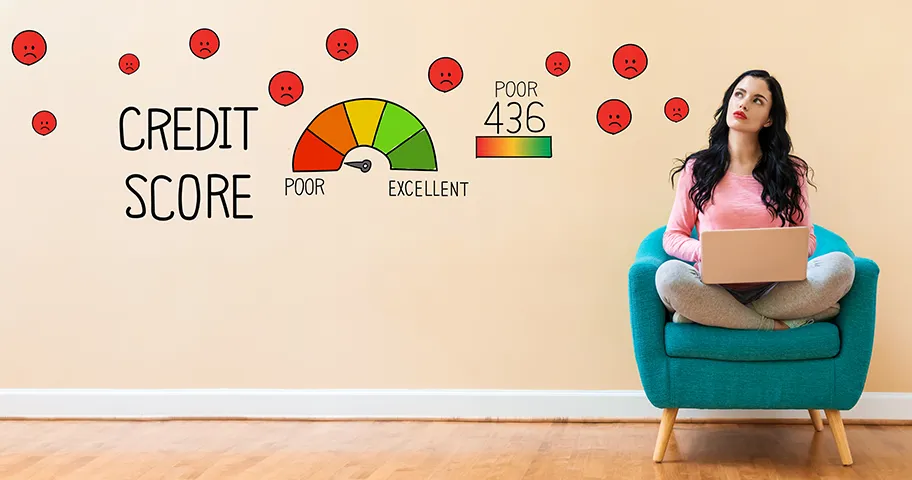
What is a bad or poor credit score?
A credit score is a number between 0 and 1000 that indicates how credit-worthy you are. The higher the score, the better your credit rating.
In 2012, a system called Comprehensive Credit Reporting (CCR) was introduced in New Zealand, with the aim of offering a more balanced view of an individual's credit history. Your credit score is calculated from a deeper analysis known as a credit report, which is undertaken by a New Zealand credit agency.
You can get a free copy of your credit report from these credit reporting companies:
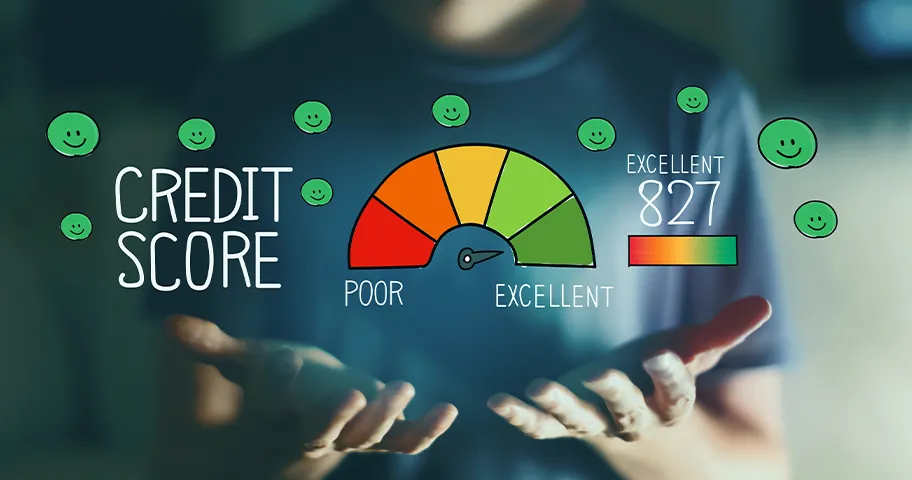
Most Kiwis have a credit score somewhere between 650 and 768, which is considered average, according to credit bureau Centrix.
A score at that level means you are eligible for standard credit cards, loans and interest offers. However, a score exceeding 845 is considered excellent, and this Centrix notes should make you eligible for the very best interest rate offers and services.
How long does a poor credit rating last?
Your credit rating is based on the information shown in your credit report at a given time. Data is only held on your credit file for a certain amount of time, something that is decided by privacy laws in NZ. A default from 10 years ago (for example) likely won't affect your credit rating today.
But know that significant negative events, like defaults on repayments, can impact your score for up to five years. A past credit problem will have less impact on your credit score as time passes, as recent payment patterns become more relevant. The impact of past defaults will diminish if countered by a subsequent uplift in behaviour.
Can I fix my credit rating?
You cannot change or remove information on your credit report that's correct, even if it's negative. But, you do have the right to request that errors are fixed.
This is a free service you can request from the relevant credit agency. Sometimes the companies who provide data make mistakes, too, so you might need to contact them directly to get the information corrected.
What you can request to have fixed can include:
- Credit reporting agency errors such as:
- Your name, date of birth or address needs updating.
- A debt is listed twice.
- The amount of a debt is wrong.
- Credit provider errors. Examples:
- Incorrect information about payments (e.g. that a $200 payment was overdue for 60 or more days, but it wasn't).
- Failing to let you know about an unpaid debt.
- Listing a default (an overdue debt) when you are in dispute.
- Not showing if a payment plan is agreed, or contract terms are changed.
- Mistakenly creating an account, or having one as a result of identity theft.
Be wary of paying to use credit repair companies that claim they can clean your credit report and have details removed. This is likely not true. People who use these quick-fix companies can end up receiving inappropriate debt solution offers from disreputable loan companies.
How can I improve my credit score?
If you want to repair or improve your credit score, keep in mind that doing so isn't generally a quick and easy process.
It may take a significant amount of time and require an extended period of financial responsibility on your part. But if you want to improve your credit score, you should:
- Pay your bills on time.
- Think carefully before applying for any new credit.
- Pay down any existing loans and debts.
- Consider seeking the assistance of a financial counsellor.
- Check your credit report for any inaccuracies.
- Hold onto credit cards you can manage.
- Lower the limit on your credit cards.
Can I borrow money with a poor credit rating?
If your credit score is holding you back, you may want to think about taking proactive steps to repair it. Consider waiting until your credit report has improved before applying for new credit cards or loans. If you've a poor credit rating, having a loan application declined could potentially harm your score further.
There could still be options for you, however, if you need a little extra cash flow and want to get a credit card or loan while your credit score is low. To do this you'll need to be prepared to show that you can meet the conditions of a particular loan or card.
Doing your research – including on fees, interest rates, contract terms and the risks that apply – is important to help you decide if a credit or loan product is right for you.
Where can I get the lowest rates?
Ultimately, the best way to ensure you get the most advantageous loan rate is to do your research, and to check out all the lenders in the market.
Even if you've a poor credit rating, there will still likely be loan options available to you. If you're willing to shop around and compare lenders, you don't have to pay sky-high fees and interest rates.