




All cats can cause some level of irritation for those with cat allergies. But the good news is some cats produce fewer allergens.
The pet experts at pd.co.nz run through what you need to know about hypoallergenic cats.

Are there hypoallergenic cats?
Technically speaking, hypoallergenic cats don't exist. But while all cats can cause problems for those with cat allergies, some breeds do offer a level of allergy respite.
What causes cat allergies?
Cat allergies are, largely, caused by a protein that's found in cat saliva, skin and urine, called Fel D1. And because cats are so well-presented, spending large portions of their days grooming, lots of Fel D1 ends up coating their fur.
So the fur itself isn't typically the issue.
Cats do produce dander, however, this is less likely to be the cause of an allergy than saliva. Plus, the Fel D1 in cat saliva can stay in the air for weeks to months, hence you can sneeze or itch even when cats aren't in the room.
List of hypoallergenic cats
Why some felines cause fewer reactions in allergy sufferers is not well understood. Perhaps they don't lick themselves quite so much. Or it may just be down to a diet that regulates protein production. Interestingly, some cats (especially females) produce less of the allergy-causing protein.
Notably, most of the cats on the following list produce less Fel D1 than other breeds.
Here's a list of five hypoallergenic cats:
1. Siberian
Siberian cats top the list of hypoallergenic cats. Despite their long, lush fur, they produce less of the Fel D1 protein, making them a safer bet for those with allergies.
2. Balinese
This small, sociable cat also produces less of the allergy-causing protein. Balinese cats are also known for being easy maintenance, due to their low level of shedding.
3. Devon Rex
The elfin-faced Devon Rex is one of the few cat breeds that developed without intentional breeding. And they are also one of the more hypoallergic cats.
4. Russian Blue
While not at the very top of the list of hypoallergenic cats, the sleek Russian Blue cat also produces less of the Fel D1 protein.
5. Sphynx
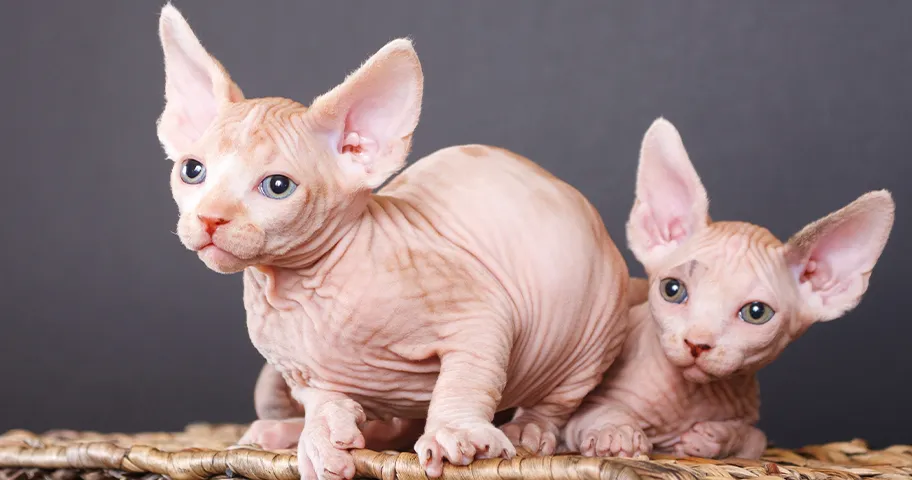
For many who suffer cat allergies, the Sphynx cat may not top the list of hypoallergenic cats. If, however, you know the root cause of your problems is cat dander, rather than the Fel D1 protein, then the hairless Sphynx is great. The feline's lack of fur also means it doesn't shed fur covered in the Fel D1 protein in the home.
The verdict
While no feline is 100% hypoallergic, there are some possible workarounds for cat lovers with allergies who hanker for a pet.
But before you adopt a hypoallergenic cat, it's advisable to spend some time with the animal, to see how you react.
You can also take extra precautions with pets at home, for example:
- Avoid letting pets in your bedroom. Many allergy sufferers feel the effects worse at night, so make your bedroom a pet no-go zone.
- Wash your hands after holding your pet.
- Shared grooming. If someone else in your household isn’t allergic to cats, ask them to groom your cat outside. This may reduce the amount of time your cat spends on self-grooming and help reduce the allergens floating around your home.
And if you're wondering, generally speaking, don't bath your cat. However, hairless cat breeds can be the exception to the rule.