If you are able to refinance your personal loan at a lower rate of interest, you could save money and become debt free sooner.
Canstar guides you through what to consider about refinancing a personal loan.
What is refinancing?
Refinancing is when you pay off a loan with another loan. This is usually done because the new loan has better terms than your existing loan. For example:
- You took out a loan of $5000 with an interest rate of 11%. So far, you've paid off $2000 leaving you with $3000 left to pay.
- Another lender is now offering an interest rate of 7%, so you apply for a $3000 loan with the new lender.
- You use that loan to pay off the remaining amount on your original loan.
- You make repayments on the new loan, paying 7% interest instead of 11%, potentially saving you money.
Why refinance?
Better interest rates
The main reason for refinancing a personal loan is to secure better terms. If you can refinance your loan at a lower rate of interest, you could save money.
How do you secure a better interest rate?
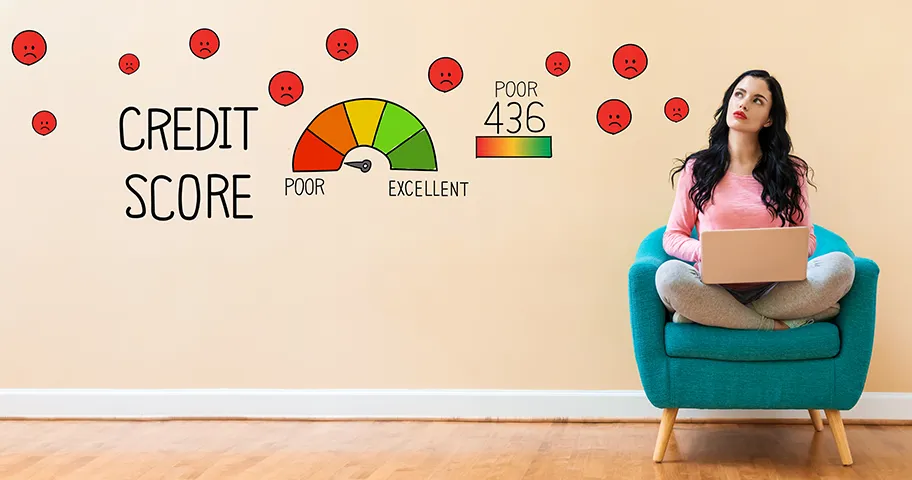
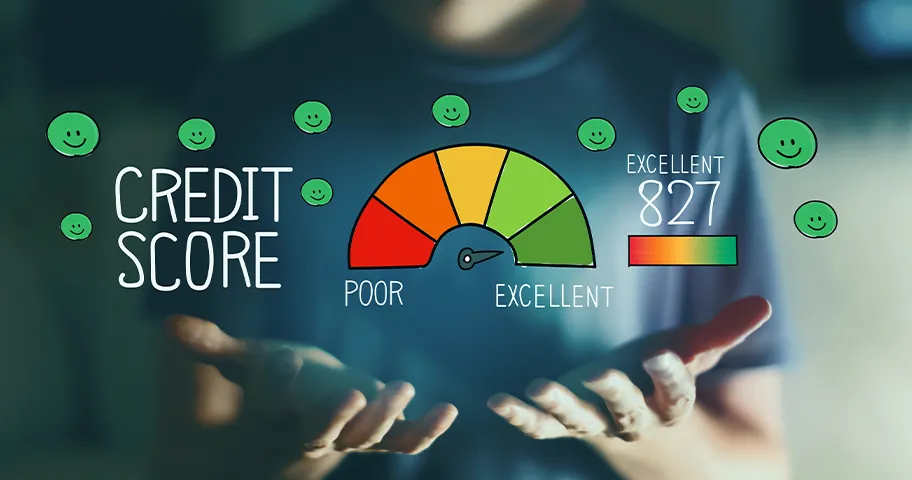
You may be able to secure a better interest rate because your credit score has improved and you can now secure better terms. The better your credit score the more generous lenders are likely to be.
Another reason could simply be the market has shifted and interest rates are lower across the board. Banks and smaller lenders are constantly changing their interest rates.
The best way to secure better interest rates is to shop around and see if better rates are available.
Lower your repayments
If your loan's interest rate isn't an issue, it could be the loan term. If you're struggling to meet your repayment obligations, you could refinance the loan over a longer term. This will spread out the cost and reduce the regular repayments. For example:
- You have a loan of $3000 with an interest rate of 11% and two years remaining. To pay it off within those two years you have to make $140 monthly repayments.
- This is proving difficult so you decide to refinance for a longer term, giving you more time to pay off the loan.
- Your new loan of $3000 has the same interest rate but is now over five years, not two. This brings down your repayments to $65 per month.
Do note: while this will bring down your monthly repayments, you will pay interest over a longer period of time. So while your repayments will be more manageable, you'll end up paying more interest over the loan's lifespan.
You want to pay off the loan faster
If your finances improve, you may want to pay off your loan faster. Many loans don't allow extra payments, or charge fees for early repayments.
So if you can afford higher monthly repayments, you may want to secure a loan with a shorter term.
You want to change your loan terms
Personal loans can be secured or unsecured, fixed or variable, and can come with other features such as balloon payments (see below), redraw facilities and more. You might want to refinance to take advantage of (or avoid) certain features.
For example, an unsecured loan won't hold your possessions hostage, but will usually have a higher interest rate. Or you may want certainty over your repayments and choose to refinance your variable rate loan with a fixed rate loan. Or if a large balloon payment is fast approaching on your current loan, you may want to refinance in order to avoid it.
Quickfire terminology:
- Secured loan: loan is secured against an asset that can be repossessed if you fail to repay the loan.
- Unsecured loan: no assets used as security. Because of this, it poses more risk for a lender so will usually come with a higher interest rate.
- Fixed rate loan: your interest rate and repayment schedule is fixed and won't change. Fees tend to apply if you break the fixed terms (extra repayment fees, break fees etc).
- Variable rate loan: interest rate isn't fixed, and may go up or down. Will typically have more flexibility around payments, redraws, and fewer fees.
- Balloon payment: your regular repayments don't equate to the entire loan amount. So at the end of the loan term, you're left with a large, one-off (balloon) payment to make.
- Redraw facility: some loans will require minimum repayments but allow you to make extra ones, too. If the loan has a redraw facility, it allows you to then take back any extra repayments made. Note that you can't redraw your minimum repayments.
Refinancing a personal loan: what to consider
While refinancing a personal loan might sound like a great idea, there's plenty to consider. Even if a better interest rate is on offer, refinancing may not be a better deal due to the possible costs involved.
Getting a new loan can involve numerous establishment fees and costs, which can all add up. Also, paying off a loan early can come with extra costs.
As mentioned above, many loans charge a fee for extra repayments, and when paying off the entirety of the remaining loan, you could be hit with early exit fees, too. These fees could end up offsetting any savings you make from a better interest rate.
So ensure you explore all the costs involved, and check that refinancing is of financial benefit.
Does refinancing a personal loan impact your credit score?
Applying for any form of credit can impact your credit score. When you apply for a new loan, the lender will do a credit check (also known as a hard inquiry). This will cause a small, temporary dip in your credit score. This doesn't have to be anything to worry about, within reason.
Because every lender runs a credit check, too many applications can have a negative impact on your credit score. So only apply for refinancing once you're sure you've found a better deal.
And, if you have a loan rejected, don't jump straight into applying for another one. Find out why your application was rejected and work on improving your credit score.
How to refinance a personal loan
Refinancing a personal loan is a pretty straightforward process:
Check your credit reports and credit score
It's important to be prepared. Take a look at your credit report and see how your finances are looking. Has it improved? Are there any discrepancies or incorrect information that needs to be corrected? Is there anything that you might be questioned about?
It's a free and easy process to access a copy of your credit report from each of these credit reporting companies:
Shop around
Whenever accessing credit, it's always a good idea to shop around and consider all your options.
This includes talking to your existing lender. If you let them know that you're looking at refinancing elsewhere, they may be willing to give you a better deal.
Read the fine print
Your current lender and/or new lender may have hidden costs, fees and other strict terms and conditions associated with their loans.
This means that, even if the new loan looks great, the small print may leave you worse off.
A lower interest rate isn't the only thing to consider. Make sure you can pay off the existing loan in full, and you understand the costs involved.
Additionally, make sure you fully understand the costs and terms of the new loan.